


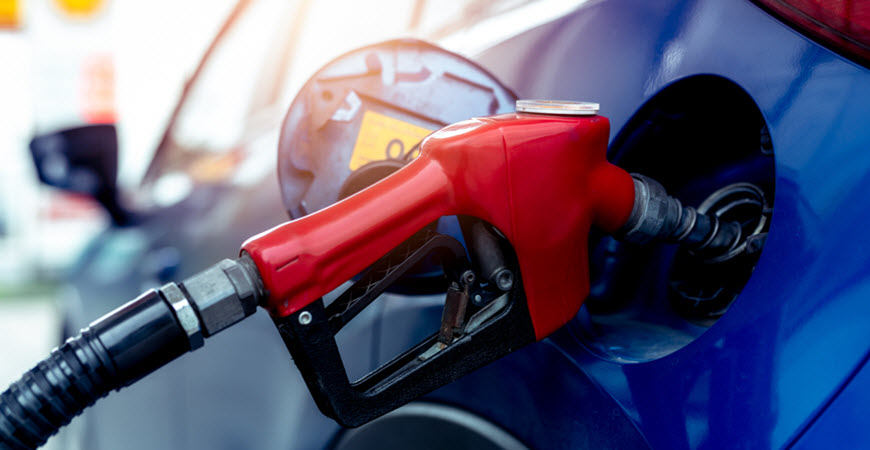
When you head to the nearest gas station, you face many fuel options, ranging from regular to premium. Most drivers opt for regular fuel because it is inexpensive and suitable for many vehicles.
Specific labels, such as premium, plus, or super, are designed to mislead consumers into believing the more expensive option is better. It is crucial to determine whether your car requires premium fuel.
Understanding Fuel Grades
Gasolines are sold with different names at the fuel pump based on the octane rating, which measures the fuel’s ability to resist knocking or pinging during combustion. The high-performance engines, those with high compression ratios or turbocharging, are sensitive to knocking.
Premium fuels have higher octane ratings. These prevent pre-ignition, preserve engine performance, and maintain longevity.
What Do Automakers Recommend?
- Automakers test their engines thoroughly and specify the fuel to be used. The regular cars are optimally designed to run on 87 octane. Using premium fuel won’t improve performance or gas mileage, and it won’t extend longevity. It’s like spending more without any tangible benefit.
- If the manual recommends premium fuel, the engine is designed to run on regular gas, but you may notice a drop in performance or fuel efficiency.
- If the manual requires premium fuel, the engine is designed to run on a higher-octane fuel to prevent knocking. In such cases, using low-grade fuel can cause persistent knocking, reduce efficiency, and lead to engine damage over time.
What are the Myths About Premium Fuel?
- One myth is that premium fuel cleans the engine better. Instead, it is essential to note that the premium gases aren’t cleaner than the regular ones, as by law all grades of gasoline contain the necessary detergents to keep your engine clean.
- Another myth is that the premium fuel delivers more horsepower in any car. But unless and until the engine is designed to run on a premium, higher octane, you won’t notice any performance gains.
- Modern cars are equipped with advanced engine management systems, but using premium gas in a regular car won’t make a noticeable difference.
- Premium fuel not only improves fuel economy across all vehicles, but engines designed for it may also see minor benefits.
When to use High Octane Fuel?
If you drive a luxury sedan, sports car, or turbocharged vehicle, your engine may require premium fuel. These engines operate at higher pressures, which can cause fuel to ignite prematurely and damage the sensitive component.
In a vehicle where premium fuel is recommended, towing a heavy load can strain the engine. Higher-octane gas is required under these conditions to prevent premature combustion and knocking.
If your car is experiencing consistent pinging or knocking, then it could be a mechanical issue. In this case, switching to a higher octane can be a temporary fix, but it still requires a mechanic‘s consultation for a proper diagnosis.
What Should You Do?
- It’s recommended to check the owner’s manual. If it says “regular,” no upgrade is needed.
- If a vehicle requires premium fuel, use it; using the correct fuel helps ensure your warranty remains valid and prevents future engine issues.
- If your manual recommends premium fuel but doesn’t mandate it, then experiment with it by tracking the efficiency with both fuel types. Compare gas mileage by running several fill-ups to determine whether the increase in fuel economy offsets the added cost.
Choose the Right Green Bay Experts for Vehicle Engine Health
It’s essential to check the owner’s manual before selecting the correct fuel. The grade of gasoline required by your vehicle’s manufacturer is the result of extensive testing and is designed to ensure optimal performance, longevity, and warranty compliance.
If your car is designed for regular fuel, using premium fuel is a waste of money, and using regular fuel in a car that requires premium can cause expensive engine damage. If your vehicle is experiencing knocking despite using the correct fuel, then it indicates an underlying issue. In this case, choosing a reliable diagnostic is necessary.
For this reason, you can trust the professionals at Huron Automotive, located in the Green Bay area. Our ASE-certified team will provide quality service, and you can take advantage of conveniences such as 24-hour drop-off and loaner vehicle availability. At the same time, we address the root cause of your car troubles.