


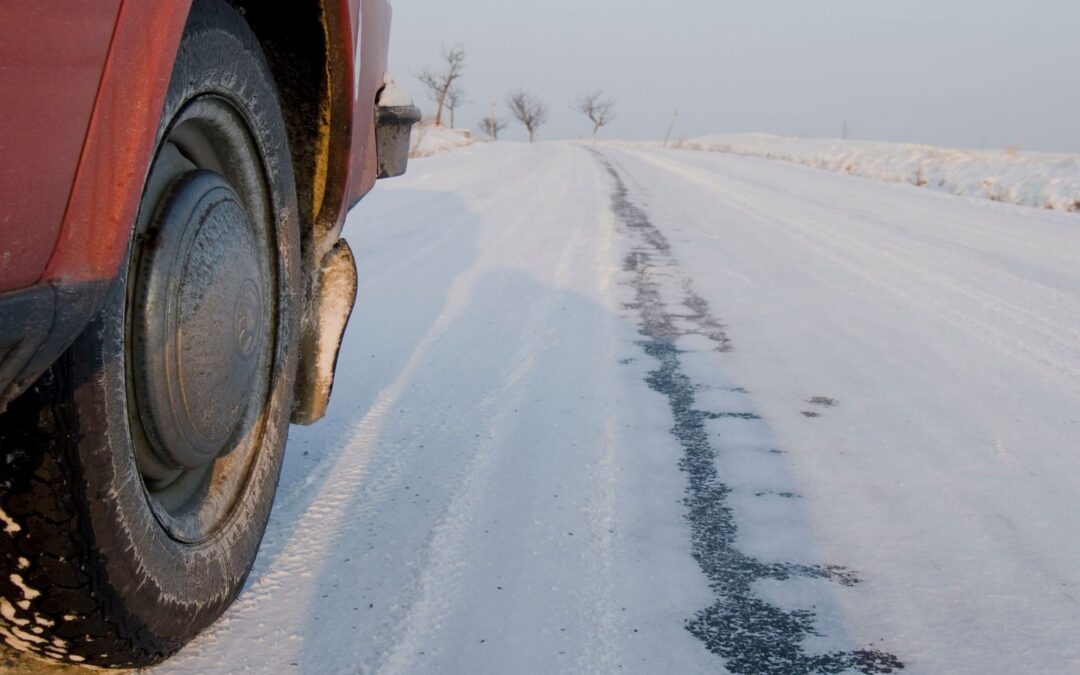
Green Bay drivers should put winter tires on when daily temperatures consistently drop to 45°F or below, not when the first snow flies. In most years that window opens in mid to late October, several weeks before the first measurable snowfall, and beating it is one of the simplest ways to make winter driving safer.
Here is how the timing works, why temperature matters more than snowflakes, and how to get your changeover done before every shop in town is booked solid.
Ready to beat the first-snow rush? Huron Automotive installs and balances winter tires at both Green Bay shops, with major brands in stock and honest advice on what your vehicle actually needs.
Or call (920) 406-2860 (Huron Rd) or (920) 434-8000 (Velp Ave)
The 45-Degree Rule: Temperature, Not Snowfall
Tire manufacturers including Michelin and Nokian recommend switching to winter tires when temperatures consistently fall below 45°F (about 7°C). The reason is rubber chemistry, not snow. All-season and summer compounds stiffen as the temperature drops, and a stiff tire cannot conform to the road surface the way it was designed to. Winter tires use a softer compound that stays pliable in the cold, so they keep gripping on frosty, dry pavement long before a single flake falls.
That is why waiting for the first snowfall is the most common winter tire mistake in Wisconsin. By the time snow is in the forecast, you have already spent weeks driving on hardened rubber through frosty mornings and black ice, and every tire shop in Green Bay suddenly has a line out the door.
Snow is the reminder, not the trigger. The first measurable snow in the Green Bay area typically arrives in November, but sub-45°F mornings start showing up weeks earlier. The tires you want on the car are the ones that were already installed before the forecast turned white.
When Winter Tire Season Starts in Green Bay
Nobody can circle an exact date on the calendar, but Green Bay’s climate pattern is reliable enough to plan around. The area’s first freeze of the fall typically arrives in early to mid October, and the first measurable snow usually shows up in November. That makes mid to late October the sweet spot: cold enough that winter tires start earning their keep, early enough that you are not competing with the post-snowfall rush.
| Green Bay Milestone | Typical Timing | What To Do |
|---|---|---|
| Overnight lows start dipping toward 45°F | Late September into October | Start planning the changeover and check tread depth |
| First freeze of the season | Early to mid October, on average | Book your installation appointment |
| First measurable snowfall | Typically November | Already be on winter tires, not shopping for them |
| Spring warm-up above 45°F | Usually late March into April | Swap back to all-seasons to protect the winter set |
Are Winter Tires Worth It in Wisconsin?
Yes, and Green Bay is exactly the kind of climate they were built for. Lake effect snow, freeze-thaw cycles, and months of sub-freezing mornings are where winter tires outperform all-seasons most clearly: shorter stopping distances on snow and ice, better traction pulling away from stoplights, and more predictable cornering when roads are slick.
- Stopping power: winter compounds and tread patterns are built to bite into snow and slush instead of skating across them, which is where braking distances are won or lost.
- Two sets, twice the life: because each set only works about half the year, your all-seasons sit out the hardest months and last longer overall.
- Multi-season value: with seasonal use, regular rotations, and proper off-season storage, a winter set commonly serves several Green Bay winters before the tread wears down.
- Peace of mind: the first icy morning of the year is a bad time to find out your all-seasons have hardened into hockey pucks.
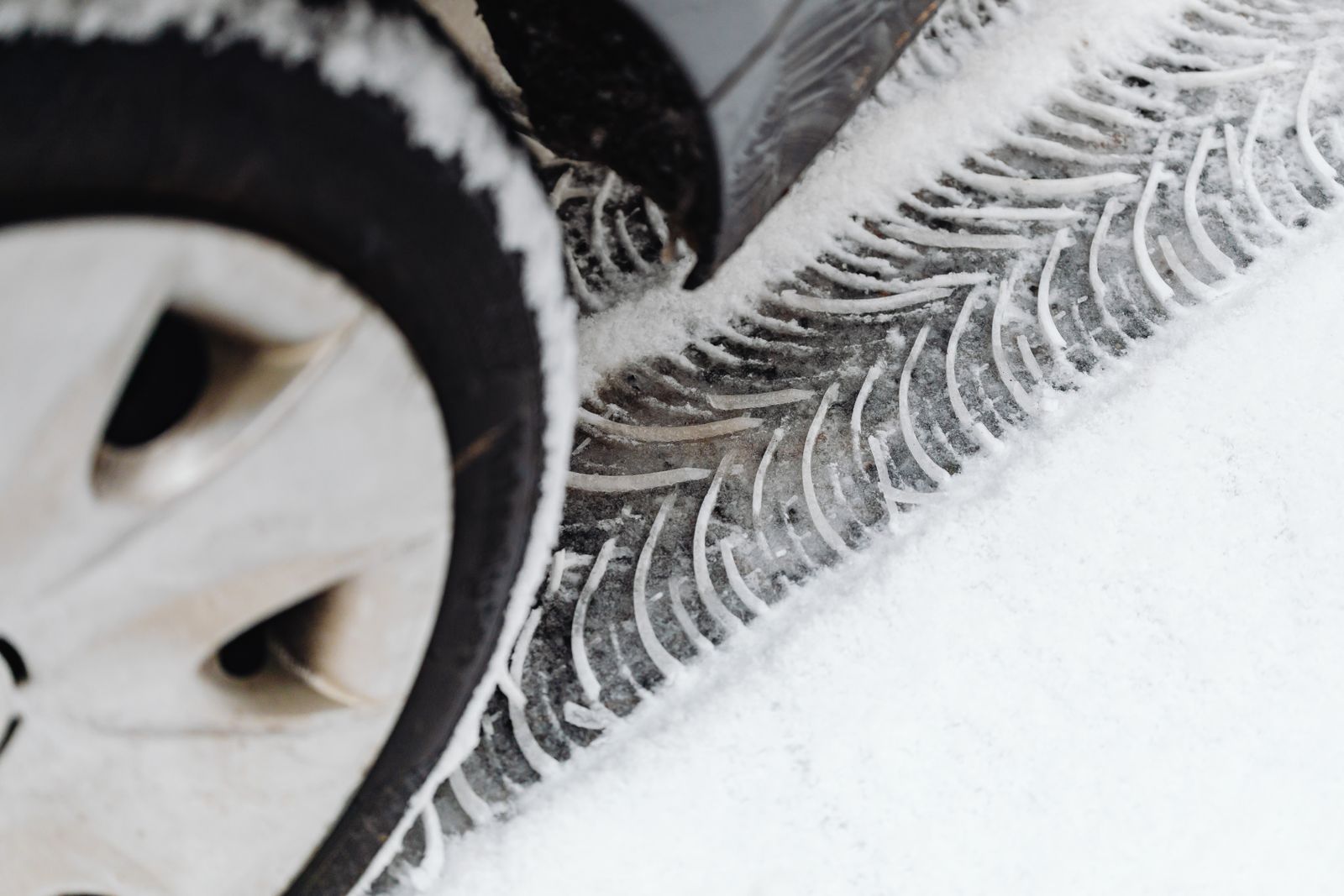
Winter vs. All-Season vs. All-Weather Tires
All-weather tires are the newer middle option, and they carry the three-peak mountain snowflake symbol that all-seasons lack. Here is how the three compare for Green Bay driving:
| All-Season | All-Weather | Winter | |
|---|---|---|---|
| Grip below 45°F | Declines as rubber stiffens | Good | Best |
| Snow and ice traction | Limited | Capable in light snow | Best in sustained snow and ice |
| Warm-weather wear | Designed for it | Designed for it | Wears fast, swap off in spring |
| Best for | Mild climates and three-season use | Drivers who want one set year-round | Wisconsin winters |
For drivers who stay close to home on plowed city streets, a quality all-weather tire can be a reasonable one-set compromise. For commuters, rural routes, and anyone driving early mornings on untreated roads, a dedicated winter set is still the safer call.
Getting Winter Tires Installed in Green Bay
A changeover visit is quick, but a good one covers more than swapping rubber. At Huron Automotive, a winter tire appointment at either shop includes mounting and balancing as needed, cold-weather pressure settings, and a tread check so you know exactly how much life is left in the set. If your current tires are worn or uneven, we will tell you straight and quote options before anything gets installed.
Our tire shop in Green Bay stocks the major brands, including Goodyear, Michelin, Bridgestone, Dunlop, Firestone, Yokohama, and Pirelli, and both locations handle installation, rotation, balancing, and flat repair for cars, trucks, SUVs, and vans.
One timing tip from the service lane: the week after the first snowfall is the busiest tire week of the year. Booking your changeover for mid to late October usually means a faster appointment and first pick of appointment times.
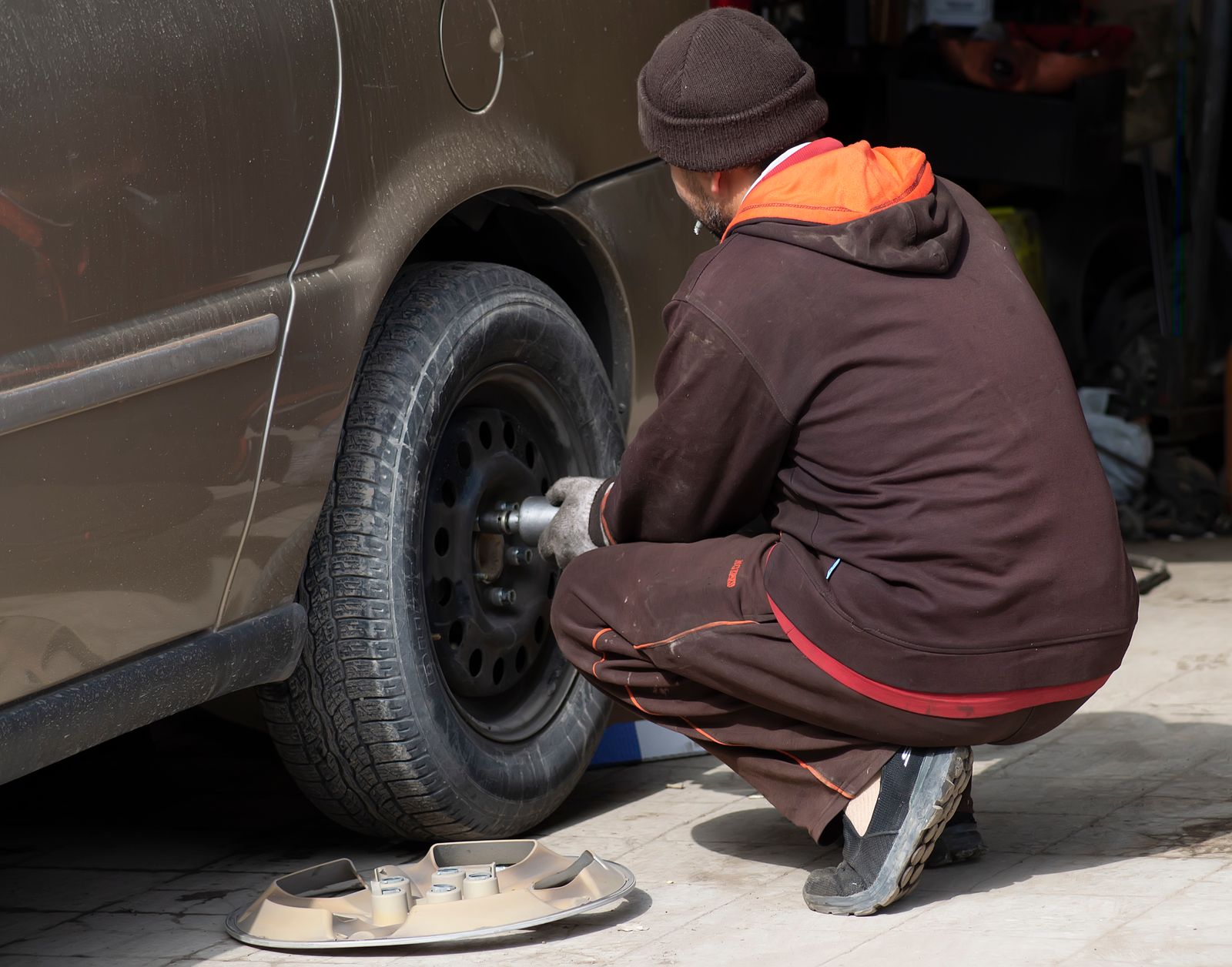
What Else to Check Before the Snow Flies
Tires do the heavy lifting, but a few quick checks round out winter readiness:
- Battery: cold cranking amps drop fast below freezing, and weak batteries pick the first cold snap to fail.
- Wipers and washer fluid: swap in winter-rated blades and keep the reservoir full of freeze-rated fluid for road salt spray.
- Tire pressure: tires lose roughly 1 PSI for every 10°F drop in temperature, so pressures set in September read low by January.
- Brakes: winter stopping distances are long enough without worn pads adding to them.
For the full rundown, our winter car prep checklist walks through everything worth handling before the season turns.
Frequently Asked Questions
When should I take winter tires off in Green Bay?
Swap back to all-seasons in spring once daily temperatures stay consistently above 45°F, which in Green Bay usually means late March into April. Running winter tires on warm pavement wears the soft compound quickly, so taking them off on time protects your investment.
Can I just run winter tires all year?
It is not recommended. The same soft compound that grips in the cold wears rapidly on hot summer pavement, and warm-weather braking and handling suffer. You will burn through an expensive set of tires in a fraction of its normal life.
Do I need four winter tires, or can I install just two?
Always four. Mixing winter tires on one axle with all-seasons on the other creates an imbalance in grip that can make the vehicle unstable under braking and cornering, and that applies to front-wheel, rear-wheel, and all-wheel drive vehicles alike.
How many winters does a set of winter tires last?
With seasonal use from roughly November to March, regular rotations, and proper storage over the summer, a winter set commonly lasts several seasons. Tread depth is the real measure: once tread gets down toward 4/32 to 5/32 of an inch, snow and slush traction drops off noticeably and it is time to shop.
Are all-weather tires good enough for Green Bay winters?
They are a legitimate compromise for drivers who stick to plowed city streets and want one set year-round. Dedicated winter tires still grip better in sustained cold, deep snow, and ice, so commuters and rural drivers are better served by a true winter set.
How much does a winter tire changeover cost in Green Bay?
It depends on your setup. If your winter tires are already mounted on their own wheels, the swap is quick and inexpensive. If tires need to be mounted and balanced on your existing wheels, the visit takes a little longer. New tires are priced by size and brand. Either way, you get an exact quote before any work begins at Huron Automotive.
Get your winter tires on before the rush.
Call Huron Road at (920) 406-2860 or Velp Avenue at (920) 434-8000, or book online at huronautomotivegb.com. Both shops are open Monday through Friday, 7:30 a.m. to 5:30 p.m.